
Hanoi, the capital of Vietnam, is known for its vibrant culture and rich history. One unique attraction that has gained popularity in recent years is “Train Street.” This narrow alleyway is located in the heart of the city, and as the name suggests, it is a street that a train passes through twice a day.
For the quick reader, yes there are some ways that you can get in there though it’s closed. I have a small guide at the end.

Hanoi, the capital of Vietnam, is known for its vibrant culture and rich history. One unique attraction that has gained popularity in recent years is “Train Street.” This narrow alleyway is located in the heart of the city, and as the name suggests, it is a street that a train passes through twice a day.
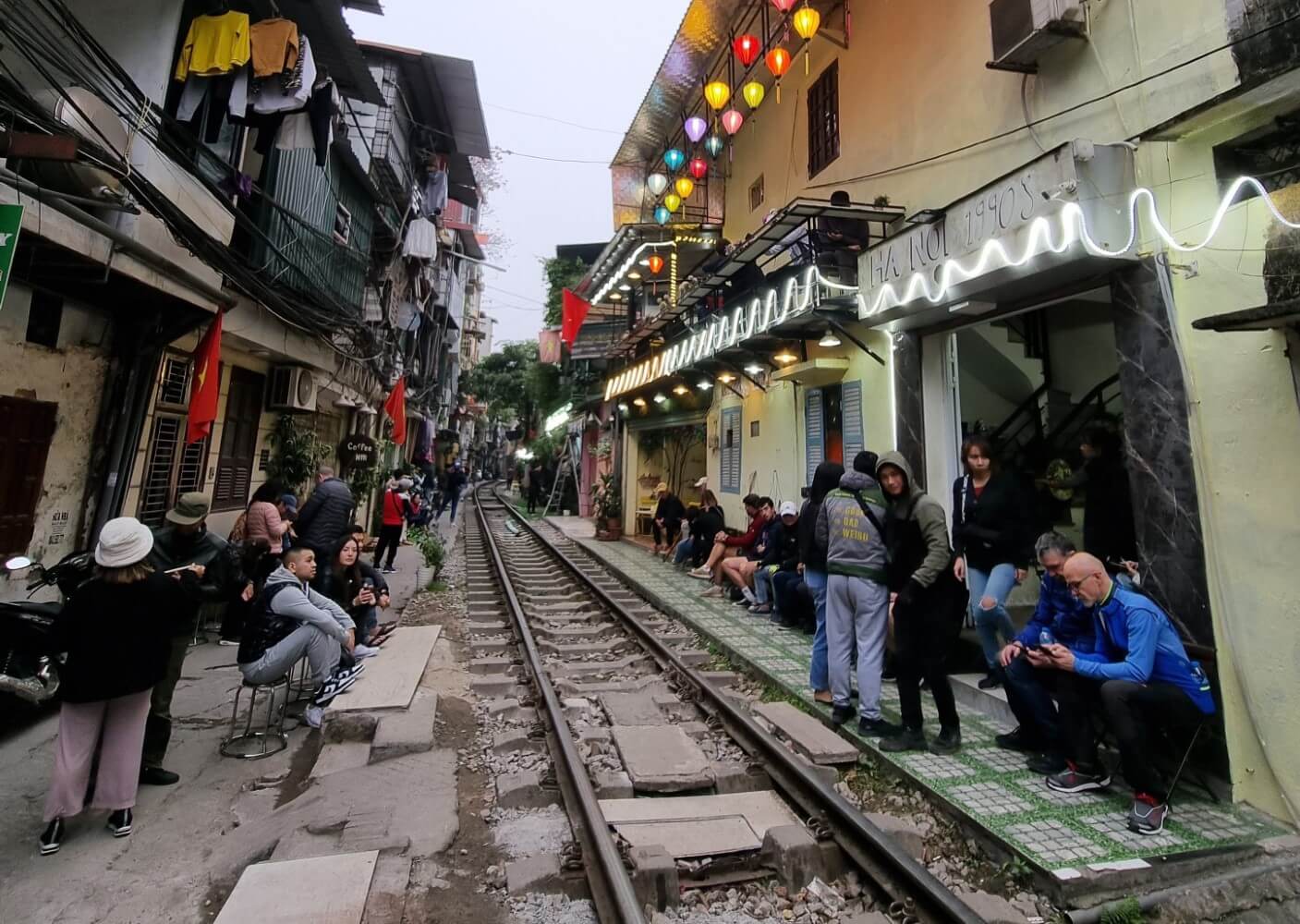
Train Street is located in the old quarter of Hanoi, in a residential area near the Hanoi railway station. The street is just over one meter wide, and the railway tracks run through the middle of it. The buildings on either side of the tracks are so close that you can almost touch them from the train. The street is lined with cafes and small shops that cater to tourists who come to watch the train pass by.
The train that passes through the street is not a typical commuter train but a cargo train that carries goods from the northern provinces to Hanoi. The train passes through the street twice a day, at around 3:30 pm and 7:30 pm. The train schedule is subject to change, so it’s best to check with locals or tour operators for the latest information.
As the train approaches the street, the shopkeepers and café owners start to move their tables and chairs away from the tracks to make room for the train to pass. Tourists gather on either side of the tracks, eager to capture the moment with their cameras. As the train passes through the street, it is an unforgettable experience to witness the sheer power and noise of the train, just a few feet away.
Visiting the Train Street has become a popular tourist attraction, drawing both domestic and international visitors to Hanoi. However, it is important to note that the street is still a residential area, and visitors should be respectful of the local residents. Visitors should avoid being too loud or disruptive and should refrain from touching or climbing on the buildings or tracks.
The Vietnamese government has recently closed the Train Street to tourists due to safety concerns. The narrow alleyway can become crowded with tourists, and there have been instances of people standing too close to the tracks or trying to take selfies with the train. Therefore, it is crucial that visitors follow safety guidelines and respect the local community to ensure the longevity of this unique attraction.
If you still want a unique experience here, I know a “guy”. She is the owner of a coffee shop on the street. She can sneak you in LOL. But you have to walk a little bit. On Le Duan street close to the Hanoi Station, there are multiple entries without the police. Add her WhatsApp here: +84 85 669 9791. Her coffee shop is called Nam Vy Coffee. Is this worth it? I suppose. Is this illegal? I don’t know. Does the police handcuff you if you are caught? No, for sure. There are hundreds of people visiting the street daily. You can check the location of the cafe here: goo.gl/maps/bBsx33C77GYPYaGk8
There is another cafe that you can consider. Follow this link to find the way to the 1990s cafe in there: goo.gl/maps/G3BLfmuSUULjnCZHA
The closest train place to the Old Quarter and the most famous one is in this intersection, from here you can see the train passes multiple times a day. There are also many cafes here, but I suggest you pick a beer because their coffee is not very good.
maps.app.goo.gl/w8sMrUemrNkrjcfP8
In conclusion, the Train Street in Hanoi is a one-of-a-kind experience that should not be missed when visiting the city. It is a rare opportunity to witness a cargo train passing through a residential area, and the experience is both thrilling and humbling. However, it is important to be respectful of the local community and follow safety guidelines to preserve this unique attraction for generations to come.